Landscape Maintenance for Native Plants and Low-Water Gardens
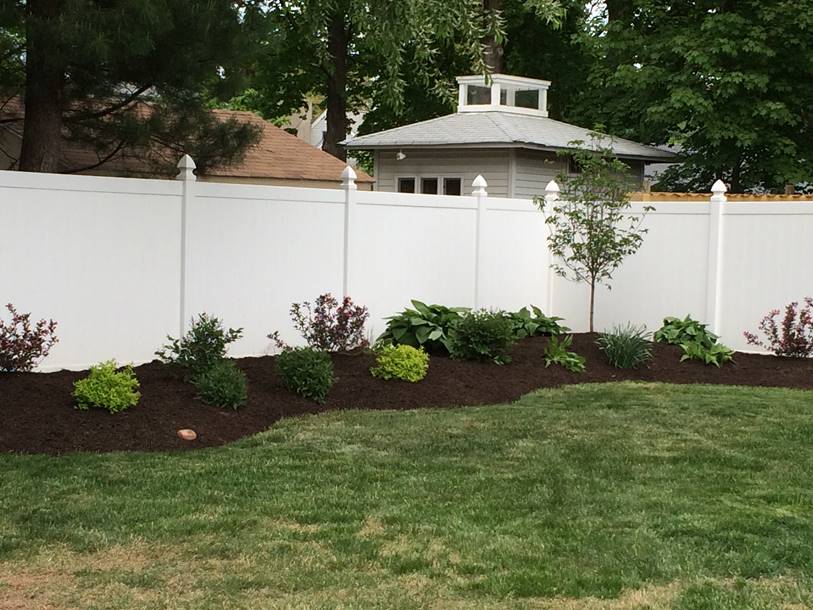

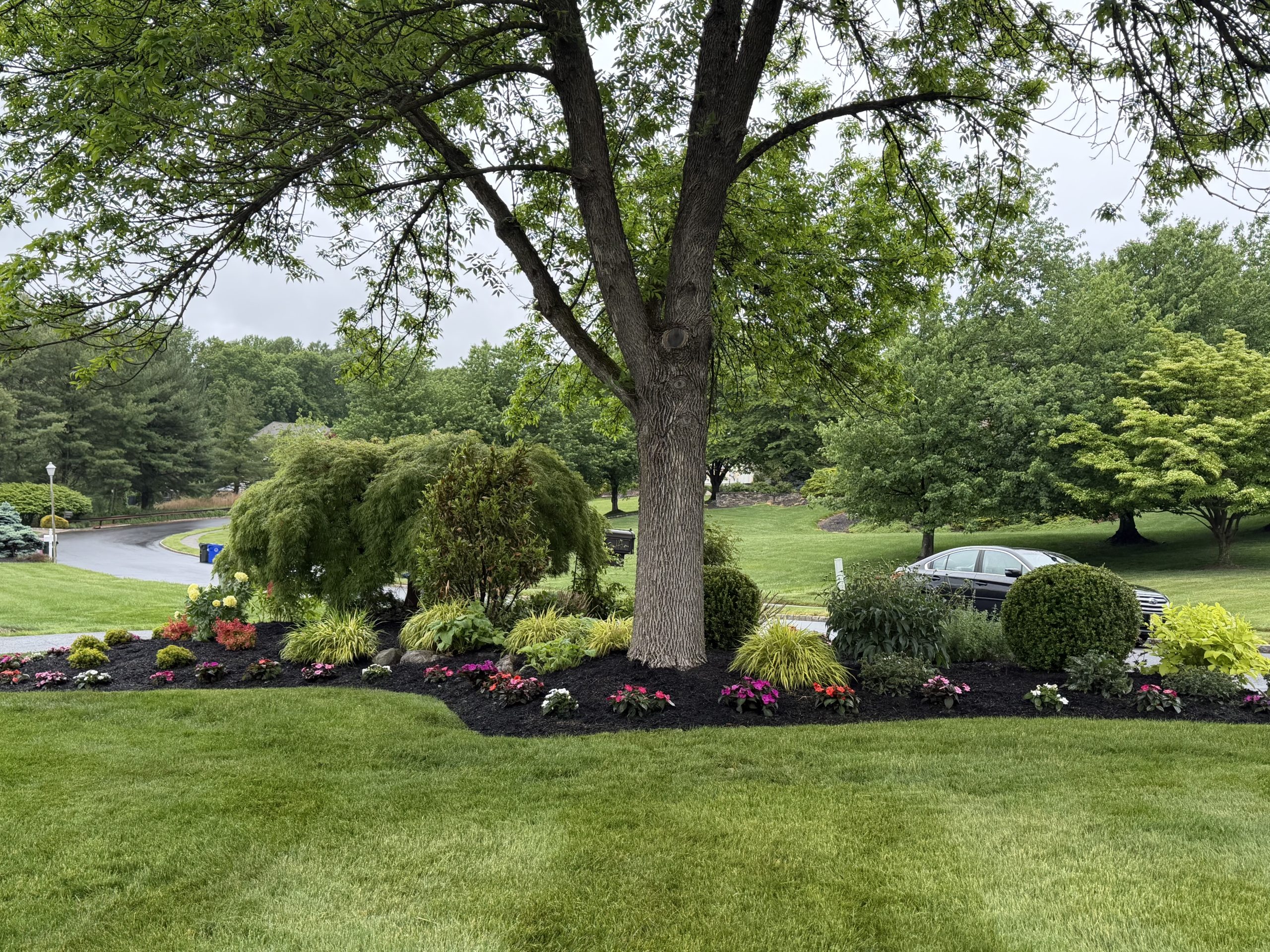
Native plantings and low-water gardens have a reputation for being effortless. That reputation is only half true. Once established, these landscapes usually need less irrigation, less fertilizer, and less fuss than conventional lawns and high-input beds. But "less" is not the same as "none." Good Landscape Maintenance is what separates a healthy, resilient planting from a dry, weedy patchwork that looks neglected six months after installation.
The difference often comes down to understanding how these gardens behave over time. A low-water landscape is not a static picture. It changes with the seasons, with rainfall patterns, with the age of the plants, and with the gardener's own habits. Native species in particular have rhythms that can confuse people who expect constant greenery and nonstop bloom. Some go summer-dormant. Some resent rich soil. Some need occasional hard pruning, while others decline if cut back the wrong way. A maintenance plan has to respect those patterns rather than fight them.
I have seen excellent native gardens fail because they were maintained like standard foundation plantings. I have also seen rough-looking sites turn into durable, beautiful landscapes once the care routine matched the plants. The work is usually not glamorous. It is slower, more observant, and more strategic than conventional yard care. That is exactly why it pays off.
The first few years matter more than people expect
The establishment period is where most mistakes happen. A newly planted low-water garden is not yet a low-water garden. The root systems are small, the soil has been disturbed, and the mulch has not settled into a stable layer. During this phase, plants need regular attention even if they are drought-tolerant by nature.
For the first year, and sometimes the first two depending on climate and planting size, deep and timely watering matters more than anything else. A one-gallon native shrub planted in spring may tolerate heat later in life, but in its first summer it can dry out quickly if the root ball never fully knits into the surrounding soil. People often assume drought-tolerant means occasional splashes from a hose. It usually means fewer but deeper soakings that encourage roots to grow outward and downward.
This is also the stage when weeds can get ahead of you. Freshly disturbed ground is an open invitation for annual weeds, especially after rain or irrigation. If they are pulled small, the task is easy. If they are left for a month, they compete for moisture, cast shade in the wrong places, and set seed. One neglected spring can add years of cleanup.
A good establishment routine is simple, but it has to be consistent:
- Water deeply enough that moisture reaches below the root ball, then let the upper soil begin to dry before watering again.
- Check new plants individually, because a south-facing slope dries much faster than a shaded bed near a wall.
- Pull or hoe weeds early, before they flower or form dense root mats.
- Re-set mulch as needed to maintain coverage without burying crowns or trunks.
- Replace failures promptly, because gaps invite weeds and disrupt the planting balance.
That last point is more important than many homeowners realize. In a mixed native planting, every plant plays a role. Groundcovers shade the soil. Bunch grasses slow runoff. Shrubs create shelter and scale. If one section dies and stays empty, the whole bed starts behaving differently.
Watering with judgment, not habit
The central discipline in low-water Landscape Maintenance is learning to water on purpose. Overwatering causes almost as many problems as underwatering, and sometimes more. Many native plants come from soils that drain quickly and from climates where roots experience cycles of moisture and dryness. When those roots sit in constantly wet soil, the result can be crown rot, fungal problems, or weak, overly lush growth that burns in heat.
The right irrigation schedule depends on region, soil type, plant age, and exposure. Sandy soil drains quickly and may need more frequent deep watering during establishment. Clay soil holds water longer, but it can also stay soggy if the grade is poor. Coastal climates differ from inland valleys. A planting near reflective pavement can experience much higher heat stress than one under filtered shade.
This is where observation outranks generic schedules. Soil moisture should be checked below the surface, not guessed from appearances alone. The top inch can look dusty while the root zone is still moist. Conversely, drip emitters can wet a narrow area while the rest of the root ball remains dry. A trowel, soil probe, or even a finger test a few inches down will tell you more than a timer ever will.
There is also a practical distinction between survival watering and performance watering. A mature native sage may survive on very little once established, but if you want a fuller look through an exceptionally long dry spell, a strategic deep soak may be worthwhile. On the other hand, some species bloom better and live longer when kept lean. Maintenance is not only about keeping plants alive. It is about deciding what level of growth, bloom, and seasonal appearance fits the design intent.
Irrigation systems need periodic adjustment as the garden matures. Drip lines that made sense in year one may be excessive in year four. Shrubs expand, roots travel, and mulch changes how water moves. Emitters clog, tubing shifts, and overspray can creep onto paths and walls. A low-water landscape should become more efficient over time, not remain locked into its original installation settings.
Mulch is a tool, not a blanket solution
Mulch earns its place in dry gardens. It moderates soil temperature, reduces evaporation, softens irrigation impact, and slows weed germination. Yet mulch is often applied too deeply or chosen without regard to plant type. Both mistakes create trouble.
Organic mulches such as shredded bark, wood chips, or leaf mulch work well around many shrubs and perennials. They break down gradually, improve soil structure at the surface, and create a more forgiving root environment. But if piled against stems or packed tightly over crowns, they trap moisture where it does not belong. Plants adapted to dry summer conditions, especially those with woody bases or rosette forms, can suffer when mulch sits on their necks.
In some regional styles, gravel mulch is used around succulents, desert-adapted species, or contemporary low-water designs. Gravel can be excellent where drainage is sharp and reflected heat is appropriate, but it also raises soil temperatures and does not improve soil biology the way organic mulch does. In a mixed planting, one mulch type may not be ideal for every plant. That is one of those real-world compromises designers and maintenance crews face all the time.
Depth matters. Around two to three inches of organic mulch is often enough for suppression and moisture retention without smothering the soil. Four inches or more tends to create problems, especially near crowns. After wind, irrigation, and foot traffic, mulch migrates. Good maintenance includes redistributing it rather than automatically adding more each season.
Pruning is where many native gardens are won or lost
People tend to bring one of two bad habits into native plant maintenance. They either prune too little and let plants become woody, rangy, and congested, or they shear everything into rounded blobs because that is what they are used to seeing in commercial landscapes. Neither approach serves the plants well.
Most native and drought-tolerant plantings look best when pruning follows plant habit. Mounding subshrubs often benefit from selective reduction after bloom or from periodic renewal cuts that encourage fresh growth from lower nodes. Bunch grasses may need an annual comb-out or cutback, depending on species and climate. Large shrubs usually respond better to thinning cuts than to indiscriminate shearing. Perennials may need deadheading, but not always. Seed heads can be ornamental, valuable to birds, and structurally important in winter.
Timing matters as much as technique. Cut a spring-blooming shrub at the wrong moment and you remove next season's flower buds. Cut a frost-sensitive plant too early before winter and tender regrowth may be damaged. Delay cleanup too long in spring and fresh shoots can be broken or buried in old stems. This is why a calendar helps, but local conditions and the specific species should guide the final decision.
One maintenance crew I worked with inherited a native planting that had been clipped monthly with hedge trimmers because the property manager wanted it to look "tidy." Within two years, the manzanitas had poor airflow, the salvias had dense woody shells with little interior life, and the grasses looked like cut wigs. We changed the schedule to seasonal hand-pruning and selective thinning. The garden looked less manufactured and far healthier within one growing cycle.
Weeds do not disappear just because the palette is native
A surprising number of people assume a native garden will eventually fill in so completely that weeds stop being a concern. In reality, weeds remain a long-term maintenance issue, just usually a more manageable one in a well-designed planting.
The nature of the weeds changes over time. In the first year, you may see fast annuals taking advantage of disturbed soil. Later, windblown invaders, deep-rooted perennials, or tree seedlings may become the bigger problem. Weed pressure often increases along edges, under sparse canopies, and in spots where irrigation is uneven. Bare gravel areas can be especially deceptive. They look clean when first installed, then become a seedbed once dust and organic debris collect.
The most efficient response is regular light intervention. Ten minutes every week or two is better than a six-hour rescue operation every other month. If crews or homeowners wait until the weeds are obvious from the street, they have already spent too long in the bed. The labor curve gets steep very quickly.
Chemical control is sometimes used, especially for invasive perennials or large commercial sites, but it should be targeted and cautious. Many desirable native seedlings resemble weeds at first glance. Broad treatment can do more harm than good. Hand removal, shallow hoeing, and keeping plants vigorous are often safer and more consistent in mixed ornamental landscapes.
Soil fertility is usually a smaller issue than people think
Traditional landscapes often rely on regular feeding. Native and low-water gardens usually do not. In fact, many native species perform poorly in rich, highly amended soil. Excess fertilizer can push weak, elongated growth, reduce drought tolerance, and shorten the life of plants adapted to lean conditions.
That does not mean nutrition is irrelevant. It means the goal is balanced growth rather than maximum growth. In many established plantings, fallen leaves, decomposing mulch, and normal soil processes provide enough cycling of nutrients. If a plant shows chlorosis or poor vigor, the cause might be irrigation, soil pH, compaction, or root damage rather than a true nutrient shortage.
Compost can be useful, but even that requires judgment. A light topdressing in some beds helps improve soil texture and microbial activity. Heavy incorporation around species that prefer sharp drainage can backfire. This is one area where gardeners often overhelp. A dry garden that looks a bit restrained is not necessarily deficient. It may simply be growing as intended.
Seasonal work keeps the garden balanced
A native or low-water landscape has a different seasonal rhythm than a lawn-centered yard. There may be a burst of bloom in spring, a dry resting phase in late summer, structural interest in fall, and selective cleanup in winter. If maintenance aligns with that rhythm, the garden stays coherent without looking overmanaged.
Spring is often the busiest season. Weeds emerge, irrigation systems are tested, winter damage becomes visible, and many plants push new growth. This is the time to thin self-sown volunteers where needed, divide species that spread too aggressively, and shape certain plants before they harden off. It is also when many people make the mistake of overwatering because everything looks active.
Summer maintenance is more about monitoring than constant intervention. Check emitters, watch for heat stress, and prune only where needed. Some native gardens look looser in late summer, especially in climates with long dry seasons. That is not always a problem to fix. A little seasonal austerity can be part of the design language. The key is distinguishing natural dormancy from genuine decline.
Autumn often brings an opportunity for planting, resetting mulch, and adjusting irrigation downward as temperatures moderate. It is also a good time to assess spacing. Plants that were tiny in spring may now be crowding paths or smothering neighbors. Thoughtful editing in fall saves harder work later.
Winter work varies widely by region. In mild climates, it can be an excellent planting season. In colder regions, it may be more about structural pruning, storm cleanup, and planning. Either way, winter reveals the bones of the garden. Without flowers distracting the eye, you can see whether the composition still holds.
A simple seasonal lens helps crews and homeowners stay focused:
| Season | Main maintenance priorities | | --- | --- | | Spring | weed control, irrigation checks, selective pruning, replacing losses | | Summer | deep but infrequent watering, stress monitoring, light cleanup | | Fall | planting, mulch adjustment, spacing corrections, irrigation reduction | | Winter | structural pruning, storm repair, design review, soil drainage observation |
The design itself affects maintenance load
Some landscapes are difficult to maintain because they were designed that way, intentionally or not. Dense plantings of incompatible species, tight spacing near paths, and fussy combinations with different water needs create unnecessary work. A successful low-water landscape depends as much on plant community logic as on maintenance technique.
Grouping plants by water use is the obvious principle, but growth habit matters too. A clean mounding perennial next to a leisurely, wandering groundcover may look good on paper and become irritating on the ground. Fast-growing natives can overwhelm slower companions if given fertile soil or supplemental water. Plants that need annual cutbacks should not be woven through species that resent disturbance. Good maintenance starts before the first hole is dug.
This is one reason mature gardens often require editing. Even a sound original design meets reality. Weather shifts. Certain species thrive beyond expectations. Others sulk in a microclimate that looked suitable. Experienced gardeners are willing to move, reduce, or remove plants that are no longer serving the composition. There is no virtue in preserving a bad fit.
Wildlife value adds complexity, and that is part of the appeal
Native gardens often support birds, pollinators, beneficial insects, and small wildlife. That benefit changes how maintenance should be approached. A perfectly cleaned-up garden may be less useful ecologically than one with some standing stems, leaf litter, and seasonal seed heads.
This does not mean letting everything sprawl unchecked. It means recognizing that habitat and appearance can be balanced. For example, delaying a full perennial cutback until late winter can preserve shelter for insects. Leaving some seed heads through fall can feed birds and add texture. Keeping a tidier edge along paths and patios often provides enough visual order that the interior can remain more naturalistic.
There are trade-offs. More habitat can mean more volunteer seedlings, more places for debris to gather, and a less uniformly polished look. On commercial or high-visibility residential sites, that requires client education. Some of the best low-water gardens succeed because they establish cues of care. Crisp path edges, intentional pruning at entrances, and healthy mulch tell people the landscape is managed, even when parts of it are ecologically loose.
When a garden looks bad, the cause is often cumulative
Decline rarely comes from one dramatic failure. More often it is a series of small mismatches. A little extra irrigation here, delayed weeding there, mulch creeping onto crowns, shrubs sheared at the wrong time, and dead plants left unfilled. Over a few seasons, the garden loses clarity and resilience.
The solution https://pastelink.net/7g17cysy is usually not a total overhaul. It is a reset of the maintenance logic. Walk the site slowly. Notice where water is actually landing. Check whether crowded plants still have airflow. Look for patterns in plant stress rather than isolated symptoms. Ask whether the maintenance style fits the plant palette, the climate, and the owner's expectations.
Native plants and low-water gardens reward that kind of attention. They do not ask for pampering, but they do ask for understanding. When Landscape Maintenance is tuned to how these plants really live, the result is not just lower water use. It is a landscape with seasonal honesty, stronger habitat value, and a steadier kind of beauty that improves with age rather than wearing out.
Majestic Mowing & Landscaping LLC
Phone number: +19733975532
FAQ About Landscape Maintenance
What is landscape maintenance?
Landscape maintenance is the ongoing care, cleaning, and upkeep of outdoor green spaces to keep them healthy, safe, and attractive.
Is $100 an hour too much for landscape work?
An hourly rate of $100 is not too much for specialized or professional landscape work, though it sits at the higher end of the standard pricing spectrum.
How much do landscapers charge for maintenance?
For professional landscaping maintenance, homeowners typically pay $100 to $410 per month for recurring services, or an hourly labor rate of $50 to $100 per hour per crew member.